Slab Foundation Building
If your steps connect to a porch slab or entry pad that also needs attention, we can pour both as part of the same project.
Learn more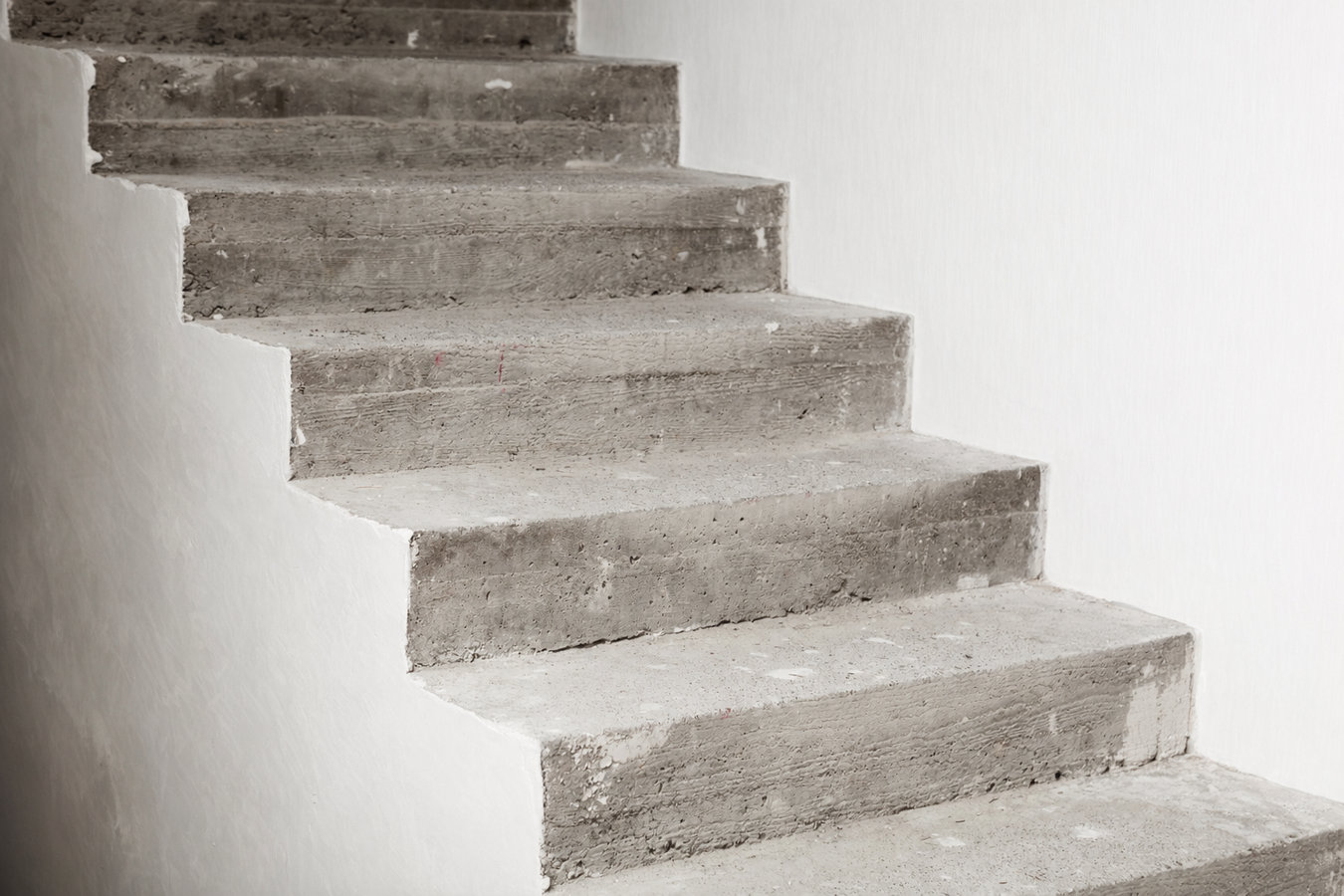
Cracked, tilting, or crumbling steps are a tripping hazard and the first thing visitors see. Get solid, permitted steps built for Corona's soils and climate.
Concrete steps construction in Corona involves excavating the area, compacting the base, building a wooden form in the exact shape of the finished steps, pouring and finishing the concrete, then letting it cure - most standard front-entry jobs of three to five steps take one to two days of active work plus three to seven days of curing before the steps are ready to use.
The part that homeowners do not see - base preparation and proper soil compaction - is what determines whether a set of concrete steps in Corona stays level and solid for decades or starts cracking and shifting within a few years. The clay soils common throughout Riverside County expand when it rains and contract in summer heat, and that repeated movement is one of the main reasons steps installed without proper base work fail before they should.
If your project includes a path connecting the steps to the street or driveway, our concrete sidewalk building service can run alongside the steps work for a single pour schedule. KeenCraft Corona Concrete handles permits and city inspections so you do not have to.
These are the warning signs Corona homeowners most often describe when they call - and most of them get worse, not better, if left alone.
Hairline cracks can often be patched, but cracks wide enough to fit a coin - or ones that run all the way through a step - mean the structure is failing. In Corona, clay soil shifting through wet and dry cycles is a common cause. Once cracking reaches this stage, patching is a short-term fix and replacement gives you a stable, safe surface that will last.
If a step rocks slightly, or if you notice one step sits noticeably higher or lower than it used to, the base underneath has shifted. This is a common problem in the Inland Empire because of expansive soil conditions, and it tends to worsen over time. Uneven steps are a tripping hazard, especially for older family members or guests who are not expecting a change in height.
When the top layer starts to peel off in chips or flakes, the steps are losing their structural integrity from the surface down. This deterioration is often the result of a poor original pour or years of sun exposure in Corona's intense heat. Once the surface starts going, water gets in more easily and the damage accelerates - replacing sooner is almost always less expensive than waiting.
A visible gap between your steps and the foundation or porch slab means the two structures are moving independently. This is a safety concern and can allow water to get behind the steps and into the foundation area. Ground movement from soil expansion or minor seismic activity in Riverside County is often the cause, and new properly anchored steps will solve the problem.
We build poured-in-place concrete steps for front entries, side yards, porch connections, and yard grade changes throughout Corona and the surrounding Inland Empire. Every job includes site assessment, excavation, base compaction, forming, pouring, and surface finishing. Finish options run from a practical broom texture - which gives feet real grip and holds up to daily use - to stamped patterns that complement your home's exterior and improve curb appeal from the street.
When your steps connect to a porch or entry slab that also needs work, our slab foundation building service can handle both in the same project. For homeowners in HOA communities - Sycamore Creek, Dos Lagos, South Corona neighborhoods built after 2000 - we prepare and submit the documentation your association requires before we set a single form.
For homeowners whose existing front steps are cracked, tilting, or pulling away from the house - a complete tear-out and new pour built to current grade and code.
For properties that have added a raised patio, changed landscaping grade, or built a new front entry and need steps designed for the new layout from scratch.
For homeowners who want the front entry to make an impression - stamped patterns or textured finishes that add visual interest while keeping the surface safe underfoot.
A large share of Corona's housing stock was built between 1980 and 2005 - and a lot of those front entry steps are now 20 to 40 years old. When they were poured, the base preparation standards were less consistent than they are today, and decades of Inland Empire clay soil movement, summer heat, and occasional winter frost have taken a toll. It is very common for homeowners in Corona's older neighborhoods near the 91 corridor to discover that their steps have been slowly shifting for years without anyone noticing until something cracks or tilts visibly.
Beyond aging housing stock, Corona's seismic context is real - Riverside County has documented fault activity, and even minor ground movement adds cumulative stress to concrete structures over time. Proper reinforcement and base preparation are not extras here - they are what the local environment requires. We serve homeowners across Corona and nearby Riverside, where these same soil and climate conditions apply. The California Contractors State License Board and the California Building Standards Commission set the licensing and code requirements that govern how this work is done in California.
We respond within one business day. You will get a few basic questions about your entry layout, current step condition, and finish preference - enough to give a rough range before we visit your property in person.
We look at the soil, the existing structure, and any access challenges before quoting a price. We confirm whether a City of Corona building permit is required and whether your HOA needs to approve the project. The visit takes 20 to 30 minutes with no cost or obligation.
We apply for the required permit and handle any HOA submission paperwork before any work begins. Most permits take a few business days to a couple of weeks. You do not need to call the building department or figure out which forms to file - that is our job.
We remove your old steps, excavate and compact the base, form, and pour. After three to seven days of curing, a city inspector visits to close out the permit. You receive a copy of the passed inspection - keep it with your home records for when you sell.
We come out, look at your specific situation, and give you a clear written quote - no pressure, no obligation.
(951) 416-3795We have built and replaced front entry steps in Corona neighborhoods from the 91 corridor to South Corona and across the Inland Empire. Local experience means we know how the clay soils move in this area, what the City of Corona permit office expects, and how to finish a pour when summer temperatures spike.
We pull the City of Corona building permit before work starts and schedule the city inspection before we close out the job. You get documentation that your steps were built to code - which protects you legally and gives you peace of mind when you sell your home.
We compact the base specifically to account for the expansive clay soils common throughout Corona and Riverside County. This is the step that most often separates steps that crack within five years from steps that stay level for decades - and we do not skip it to save time.
Freshly poured concrete can develop surface weakness if it dries too fast in heat above 95 degrees. We schedule pours for early morning in summer and use appropriate mix and curing methods so your steps harden correctly regardless of the forecast.
Concrete steps that look sharp, pass city inspection, and stay solid through Corona's seasonal extremes are the result of preparation, not luck. That is what we build for on every job.
If your steps connect to a porch slab or entry pad that also needs attention, we can pour both as part of the same project.
Learn moreConnect your new steps to a concrete walkway that leads from the street or driveway - same pour schedule, consistent finish.
Learn moreSpring and fall are our busiest seasons - reach out now to get your project scheduled before the calendar fills up.