Concrete Cutting
When a raised slab also has damaged sections that need removal, precision concrete cutting prepares the area cleanly before any repair work begins.
Learn more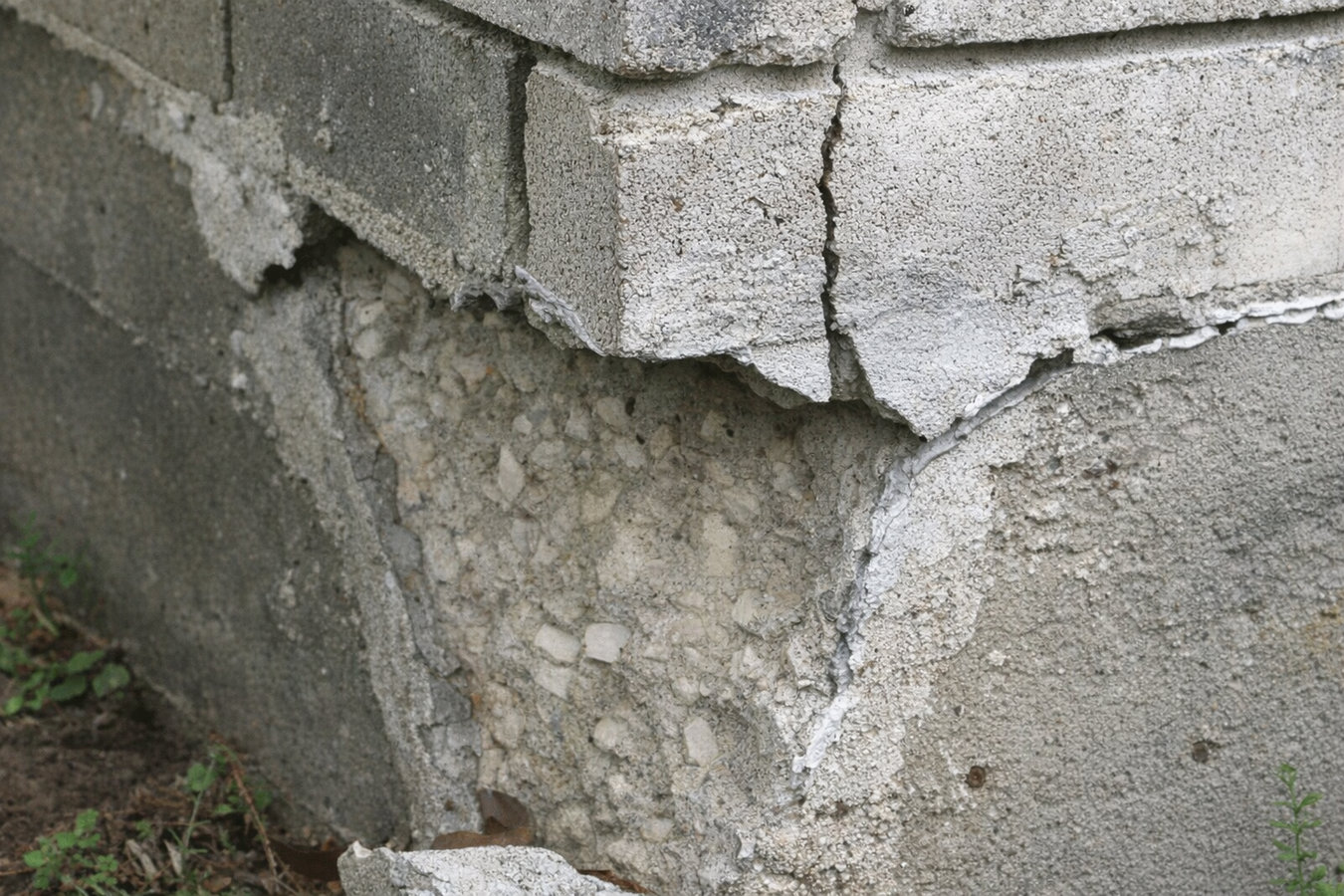
A sunken slab does not have to mean a full tear-out. We lift and stabilize settled foundations across Corona - permitted, inspected, and backed by a written estimate before any work starts.
Foundation raising in Corona lifts a sunken or uneven concrete slab back to its original level position by pumping material beneath it through small drilled holes - most residential jobs are completed in a single day, with the permit and inspection process adding a few days to the overall timeline.
When soil underneath a slab shifts, compresses, or washes away, the concrete above it settles unevenly. The result shows up as sticking doors, cracked walls, or floors that no longer feel level underfoot. In Corona, this process is accelerated by clay-heavy soils that swell during wet winters and shrink in the long, dry summers - a cycle that repeats every year and gradually pulls support away from foundations across the Inland Valley. Foundation raising stops that process without the cost and disruption of tearing everything out and starting over.
If the soil problem is severe or the slab itself is crumbling, a full new pour through our slab foundation building service may be the right call instead. We will tell you honestly which option your situation requires.
Corona homeowners often notice these signs first - especially in late summer and early fall, after the driest stretch of the year when soil shrinkage is at its peak.
When a foundation shifts, the door and window frames shift with it - even slightly. If a door that used to swing freely now drags on the floor, or a window that opened easily now jams, that is often the first sign something has moved beneath the slab. In Corona, this is especially common after a long dry summer, when soil shrinkage is at its peak and changes happen fast enough to notice.
Cracks that angle away from the corners of door or window frames are a classic signal of uneven foundation movement. These are different from minor drywall hairline cracks - diagonal cracks wider than a pencil tip, or ones that grow over time, deserve a professional look. In Corona's clay-heavy soil environment, these cracks can develop slowly over several years before becoming obvious.
Walk slowly across your floor in socks and notice whether it feels like you are going slightly uphill or downhill. A floor that tilts more than an inch over a ten-foot span is a sign the slab beneath it has moved. You can also roll a round object across the floor - if it consistently rolls in one direction, the floor is not level and the slab needs a professional assessment.
When a slab settles unevenly, the walls above it move too. Look for gaps opening where the wall meets the ceiling, or where baseboards are pulling away from the floor. These gaps are most visible in corners and signal that different parts of the house are moving at different rates - exactly what happens when soil beneath a slab shifts unevenly, as it does in Corona's expansive soil conditions.
We lift and stabilize settled residential slabs across Corona and the surrounding Inland Empire. The process starts with a site visit - we assess the affected slab, check drainage patterns, and identify the likely cause of the settling before quoting the job. Then we handle the City of Corona permit application, schedule the work once approved, and coordinate the post-work inspection. You do not have to navigate city paperwork on your own.
When settling is severe enough that lifting alone will not produce a lasting result, we will be straightforward with you. In those cases, our slab foundation building service handles full removal and replacement. If the raised area also has sections that need precise removal before repair, our concrete cutting service covers that scope as part of the same project.
Best for driveways, garage floors, patio slabs, and walkways where the concrete is structurally sound but has settled out of position due to soil void formation or gradual compaction.
A faster-curing alternative to mudjacking - well suited for areas where you need to restore access quickly, or where the lighter weight of the material is an advantage over a weaker soil base.
For homes where the outer edges of the slab have dropped while the interior remains relatively level - a common pattern in Corona homes where perimeter soil shrinks faster than the interior.
Corona sits in the western Riverside County portion of the Inland Valley, where the native soils contain a high percentage of clay. That clay expands when it absorbs water during wet winters and shrinks when it dries out through the long, hot summer. After years of that cycle repeating on the same ground, the soil pulls away from beneath slabs and creates the voids that cause foundations to settle. This is not a rare problem here - it is a regional condition that affects homes throughout the area, and it is the primary reason foundation raising comes up consistently in Corona's neighborhoods, particularly in the tracts built during the 1980s and 1990s growth boom that are now 25 to 40 years old.
The city also sits near the Elsinore Fault Zone, and even moderate seismic activity can accelerate soil movement and cause foundations that appeared stable to shift. Homeowners in Riverside and Moreno Valley face the same soil conditions, and the same principle applies throughout the region: the contractor you hire needs to understand what the ground is doing before recommending a fix.
We ask a few basic questions about what you are seeing, how long it has been happening, and roughly where on the property the problem seems to be. You will hear back within one business day to schedule an on-site visit. You do not need to prepare anything for the call.
We walk your property, examine the slab, and use a level tool to measure how far it has dropped. You receive a written estimate before any work is discussed - no verbal-only quotes, no pressure to decide on the spot.
Foundation raising in Corona requires a building permit. We handle the application and schedule the work once the permit is approved. This typically adds a few days to a week before work begins, but it means the city has a record of the job - which protects you if you ever sell the home.
The crew drills small holes through the concrete at measured intervals, pumps material beneath the slab until it rises back to level, then patches the holes with concrete filler before leaving. After the city inspection, your contractor walks you through what to watch for going forward.
Free on-site assessment. Written estimate before any work starts. No pressure - just an honest look at what your slab needs.
(951) 416-3795Foundation raising in Corona is not the same job as the same work in a flat, stable-soil city. The expansive clay soils and seasonal drought cycles here mean the repair approach matters as much as the repair itself. We size every job for what the ground is actually doing.
We pull the required building permit on every foundation raising job. That means the City of Corona Building and Safety Division inspects the completed work and your home has a documented record. You can verify our license at the California Contractors State License Board.
We work throughout the region - not just in Corona. From city to city, we are familiar with local soil conditions, permitting offices, and the kinds of foundation issues that come with each area's specific ground and climate.
We give you a written assessment and a clear price before a crew sets foot on your property. You know exactly what is being done, why, and what it costs. That is not a special offer - it is how we run every job.
The combination of local soil knowledge and consistent permit compliance is what separates a foundation raising job that holds for years from one that looks fine at first and starts resettling within a season. That is the standard we hold every job to in Corona.
When a raised slab also has damaged sections that need removal, precision concrete cutting prepares the area cleanly before any repair work begins.
Learn moreFor situations where the slab has settled beyond repair and a full new pour is the right solution, we build new slab foundations to current code standards.
Learn moreSummer soil shrinkage moves fast in Corona - the longer a settling foundation goes unaddressed, the more it costs to fix. Contact us now for a free assessment.